El Niño Weather Phenomenon Threatens More Than 347 Million Children Globally
A Looming Environmental Crisis
The United Nations Children’s Fund (UNICEF) issued a stark global warning today. They reported that the El Niño phenomenon will affect more than 347 million children. These children live across 100 different countries and vulnerable territories worldwide. They are expected to face unusually dry or severe wet conditions this year. The critical period extends from October through the end of December 2026. More than 190 million children will be affected in the Asia-Pacific region alone. Another 41 million children will face harsh weather conditions in southern and eastern Africa. An additional 22 million children in Europe and Central Asia are at risk.
The Impact of Extreme Weather
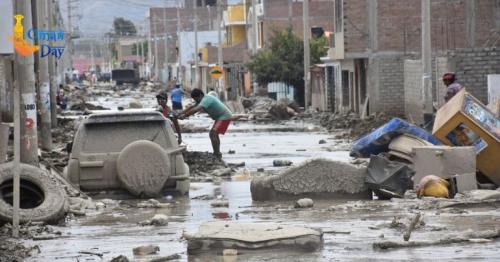
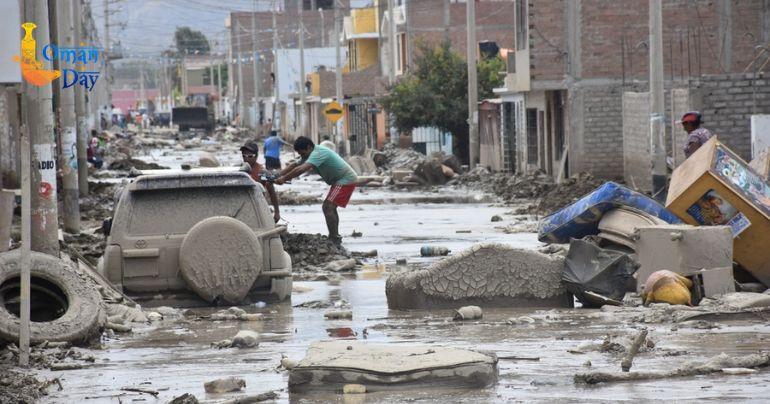
UNICEF noted that extreme weather events already impact millions of young lives. Approximately 1.1 billion children worldwide have already experienced droughts, heat waves, or floods. Global media reports suggest this El Niño phenomenon could become historically severe. Analysts believe it is likely to become the strongest event recorded since 1950. These shifting climate patterns disrupt agricultural production and threaten global food security. Lack of reliable rainfall leads to devastating crop failures and widespread malnutrition. Conversely, severe flooding destroys vital infrastructure and spreads dangerous waterborne diseases rapidly. Brazil is currently one of the regions most visibly affected by the phenomenon.
A Divided Climate Landscape
The northern Brazilian regions and the Amazon are experiencing severe drought and heat waves. Meanwhile, the southern regions of the country experience heavy rains and destructive floods. The international community must prioritize funding for climate adaptation and disaster response. Learn how changing environmental patterns impact global health and stability. Discover more essential climate reporting today at Oman Day.
tag: el-nino , unicef , climate-change , humanitarian-crisis , extreme-weather
Share This Post