Street Theater Transforms Public Spaces Into Cultural Stages Across Iran
Reviving Ancient Performance Traditions
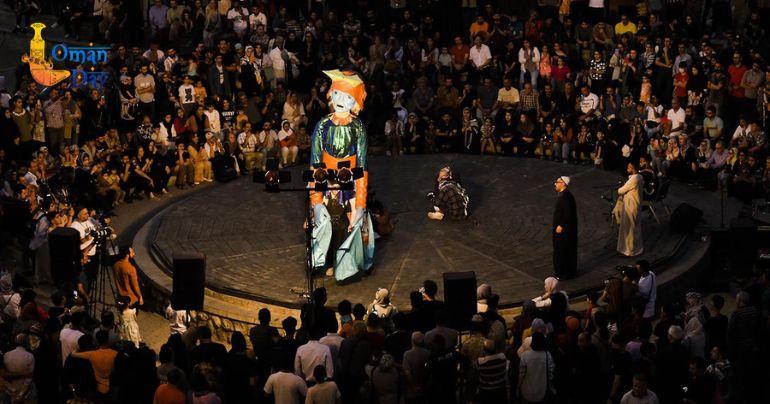
Street theater in Iran represents much more than just an outdoor performance. It acts as an extension of a long history of popular narrative forms. These ritualistic performances rely heavily on the direct relationship between performer and audience. In recent years, Iran has witnessed multiple theatrical experiments in public spaces. Artists use streets, squares, and working environments to reach the public directly. Theater researcher Ali Hakimian shared his insights with the Oman News Agency. He views street theater as a meeting point between urban space and public participation. The art form tackles contemporary social and cultural issues creatively.
Diverse Theatrical Trends
Iranian theater boasts an ancient history of using unconventional spaces for performances. The traditional art of “Naqali” involved moving historical tales between cafes and villages. Modern street theater does not represent a single form, but rather multiple trends. Social theater remains prominent because it deals directly with daily life and family. Artists address topics like the environment, migration, and the issues facing local youth. The main advantage is that the artist does not wait for audiences to arrive. They take the performance directly to the places where people already gather. This strategy reaches segments that avoid traditional theaters for economic or cultural reasons.
Engaging The Local Community
Comedy theater also holds a special place in the Iranian street performance scene. Actors use rhythm, music, physical exaggeration, and caricatured characters to build their shows. Environmental theater incorporates the physical street as an active element in the play. A public square or a building window becomes part of the living decor. Immerse yourself in the diverse performance arts thriving across the region. Read more engaging cultural news today at Oman Day.
tag: iran-theater , performing-arts , street-theater , middle-east-culture , social-arts
Share This Post