Saudi Prince Plans A ’City Of The Future.’ Don’T Bet On It
FROM TIME IMMEMORIAL, rulers have built new cities to satisfy everything from security to vanity. Some of those cities crumbled into obsolescence; others blossomed into capitals of legend. The recipe for success remains elusive, but that hasn’t stopped successive generations from trying. And if recent moves are any gauge, the 21st century will see a surge of new and often grandiose plans.
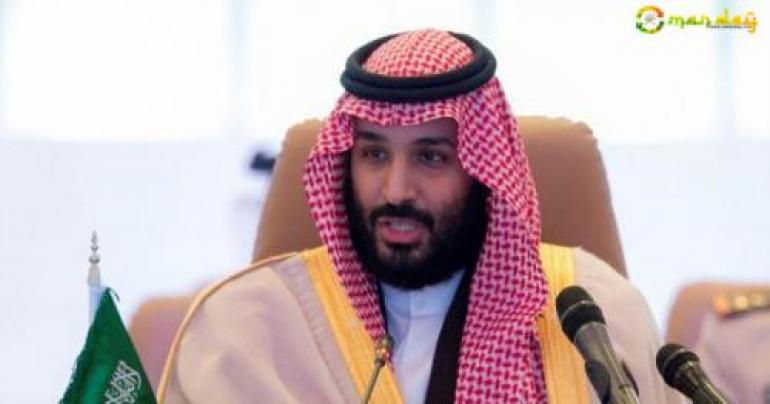
The most recent and among the highest profile comes from the deserts of the Middle East, where Saudi Arabia’s crown prince Mohammed bin Salman recently unveiled plans to spend upwards of $500 billion to construct his city of the future, Neom. Like rulers before him, bin Salman’s motives are a mix of vanity and pragmatism. Since the middle of the last century, Saudi Arabia has floated on a sea of oil, and the royal family has accumulated massive wealth. That formula worked for decades, but with a burgeoning population and the price of oil plateauing, the country is facing an uncertain future. Neighboring Dubai and other emirates have surged ahead with their own imagined metropolises, spending hundreds of billions for new towers, museums, reclaimed land, and planned communities. Many of those have drawn people, attention and business, although Masdar, a planned satellite of Abu Dhabi that was supposed to be an exemplar of a carbon-neutral future, has burned through billions with little to show.
The plan for Neom is to be bigger, newer, and more technologically advanced than anything that has come before. Early promises include a pledge to use renewable energy and integrate robotics into the DNA of the city. Promising a “civilizational leap for humanity,” bin Salman has suggested that the final city could have more robots than humans and be a model for how humanity lives in the next century when population begins to decline globally.

Given that Neom is now little more than barren acreage and the fertile imagination of the crown price backed by oil billions, it’s hard to say how much of this vision will be realized. New cities are always unveiled with an excess of hyperbole and a dearth of practicality. In that sense, they are much like startups, brimming with hope and an optimism, intent on changing the world and solving problems ranging from overpopulation to transportation to air quality and affordability.
The legacy of planned cities in recent years is mixed at best. Some were built as new capitals for governments that wanted to reduce corruption and improve bureaucratic efficiency or wanted to break the hold of traditional elites by detaching them from carefully cultivated power bases. That is hardly a new concept. Louis XIV moved his court to the palace of Versailles for many of those reasons.
...[ Continue to next page ]
tag: blog , information
Share This Post