The Gold Trip That Crashed an Ancient Economy
In 1324, one man's journey to Mecca did something no modern billionaire's spending spree has ever managed. It crashed the price of gold across an entire regional economy for over a decade.
A Pilgrimage Unlike Any Other
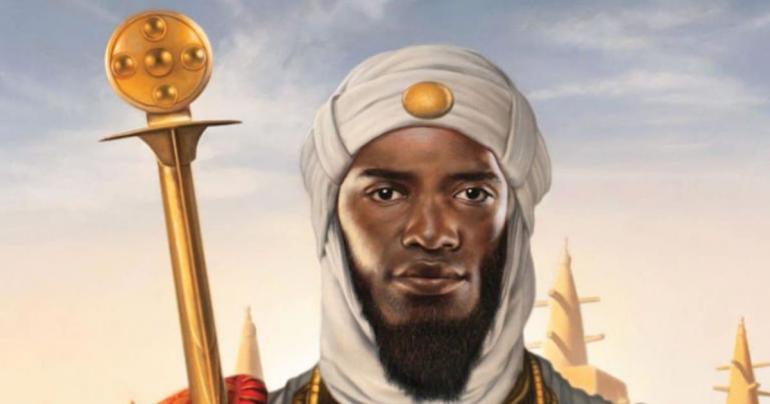
Mansa Musa, ruler of the Mali Empire, set out on a hajj pilgrimage to Mecca in 1324. His caravan stretched for miles and included thousands of soldiers, officials, and attendants. Camels reportedly carried massive quantities of gold across the 4,000 mile route.
Musa didn't travel quietly. He gave gold away to the poor in every city his caravan passed through. Historical accounts describe him funding new mosques in some towns along the way.
What Happened in Cairo
The most dramatic moment of the journey happened in Cairo, Egypt. Musa and his entourage arrived in July 1324 and camped near the Pyramids of Giza for three days. He then met with the Mamluk sultan and spent lavishly throughout the city.
Arab historian Al-Umari, who visited Cairo shortly afterward, recorded the economic fallout. He noted that gold's value against silver dropped noticeably following Musa's visit. Some accounts suggest prices stayed depressed in the region for roughly a decade.
Did He Really Wreck an Economy?
Popular retellings often claim Musa single-handedly destroyed Egypt's economy. Historian Warren Schultz has pushed back on that framing. He argues the gold price shift fell within normal fluctuations for Mamluk Egypt at the time.
Even so, the fact that a foreign visitor's spending was recorded as a notable economic event speaks volumes. Few individuals in history have left that kind of documented mark on a regional market.
Beyond the Gold He Gave Away
Musa's generosity wasn't just theater. It reflected the genuine scale of Mali's gold production during his reign. The empire is believed to have supplied close to half of the Old World's gold at the time.
That control over global gold supply is part of why historians still call him the wealthiest person in recorded history. His pilgrimage simply made that wealth visible to the wider world for the first time.
A Legacy That Outlasted the Gold
Musa's spending eventually settled, but his influence did not fade. His pilgrimage put the Mali Empire on European and Middle Eastern maps for the first time. Traders from Venice and Genoa began adding Timbuktu to their trade routes soon afterward.
He also used his wealth to build lasting institutions. The Sankore Madrasah in Timbuktu became a renowned center of Islamic scholarship under his rule. That legacy of learning, alongside his legendary fortune, still defines his reputation seven centuries later.
Why This Story Still Matters
Modern billionaires can move markets with a single tweet or announcement. Mansa Musa moved an entire regional economy with a religious pilgrimage, seven centuries before anyone tracked wealth in real time. That's a scale of influence money alone rarely produces today.
Share This Post