
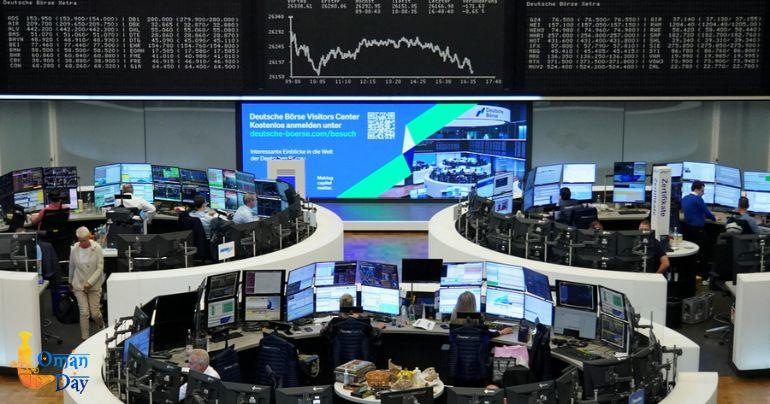
European Stocks Stabilize, Supported by Steady Gains Across the Mining Sector
Market Uncertainty Influences Trading Behaviors
European stocks remained relatively stable today amid prevailing global uncertainty. Gains in basic resources stocks provided some crucial support to the market indices. Rising gold prices helped stabilize the resource sector ahead of important US economic data. Investors cautiously await the release of minutes from the US Federal Reserve's July meeting. These minutes offer vital clues regarding the future trajectory of international interest rates. Global financial markets teeter cautiously on the edge of unpredictable economic shifts. Thoughtful investors monitor these trends daily.
Technology Sector Experiences a Sell-Off
Conversely, the technology sector recorded the most significant losses among all European sectors. Technology stocks declined 0.4 percent as bond yields rose noticeably. Reports concerning Anthropic's annual revenue disappointed some optimistic investors significantly. Revenue averaged $65 billion by July, falling short of expectations for stronger growth. This disappointment triggered a sell-off across prominent semiconductor and technology stocks. Sotec led the downward trend, experiencing a 4.4 percent decline in share value. The tech industry often experiences periods of rapid valuation adjustment.
Monitoring Crucial International Inflation Data
Shares of Nordic Semiconductor and Scout24 also declined between 2.1 and 2.3 percent. Meanwhile, economic data released in Britain highlighted ongoing challenges for consumer markets. Britain's annual consumer price inflation rate rose to 2.9 percent in July. This marks an increase from a 15-month low of 2.6 percent recorded in June. Economists monitor these inflationary trends to gauge broader European economic health. Investors must navigate these complex variables to protect their financial portfolios effectively. Central banks may adjust their policies based on this new data.
The Role of Central Banks
The Bank of England watches the inflation data closely to determine its next steps. Rising inflation often prompts central banks to maintain or increase interest rates. Conversely, a cooling economy might encourage them to lower borrowing costs. The US Federal Reserve's decisions also carry significant weight in European markets. An interconnected global economy means that policies in one region affect others. Financial analysts provide regular forecasts to help businesses prepare for policy changes. The coming weeks will provide more clarity on the economic direction.
Understand the shifts in international finance and global stock markets. Access helpful economic intelligence and news like this today at Oman Day.
tag: global-finance , european-markets , stock-trends , technology-sector , economic-news
Share This Post