NASA Discovers Massive Newly Formed Crater On The Lunar Surface
The US space agency NASA has discovered a huge, newly formed crater on the moon. This represents a rare event that typically occurs only once every century or more. The crater resulted from a powerful impact that occurred roughly two years ago. Interestingly, the event was not observed by scientists at the exact moment it happened.
Analyzing Images From The Lunar Reconnaissance Orbiter
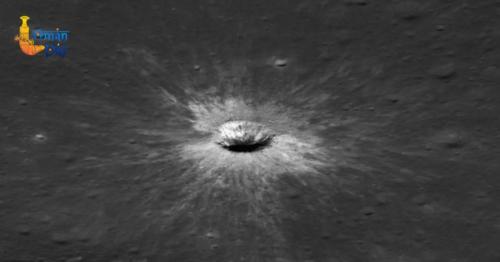
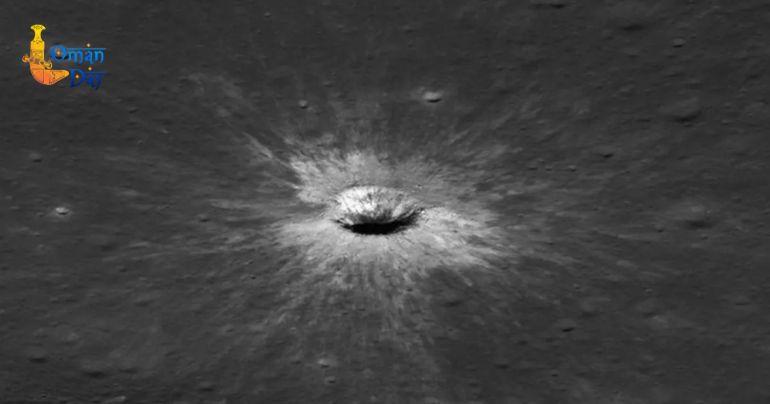
NASA stated that the new crater, named McGitchen, measures approximately 222 meters in width. Scientists believe it formed in the spring of 2024 after a high-speed collision. The moon likely collided with a fast-moving comet or a stray asteroid in space. Researchers estimated the object that caused the impact was the size of a building.
Although the crater has existed for years, it was only discovered very recently. Researcher Robert Wagner noticed it while carefully analyzing new, high-resolution orbital images. These images were taken by the Lunar Reconnaissance Orbiter, which has studied the moon since 2009. The new crater appeared in the images as a large bright spot surrounded by darkness.
Understanding The Geology Of The Lunar Surface
It is the largest newly formed crater discovered in the solar system to date. Researchers explain that studying the formation of new craters yields valuable scientific data. It helps astronomers and geologists better understand the complex geology of the moon's surface. This knowledge is crucial for planning the safety of future exploratory space missions.
This data could contribute significantly to preparations for upcoming manned missions to the moon. Both the United States and China are currently planning extensive lunar exploration programs. Understanding the frequency and impact of these collisions is vital for establishing lunar bases. NASA will continue to monitor the lunar surface for any further changes.
Explore the latest discoveries in space exploration and scientific research at Oman Day.
tag: science-news , space-exploration , nasa , astronomy , technology
Share This Post