Denmark Inflation Reaches One-Year High Due to Rising Energy Costs
Tracking the Consumer Price Index
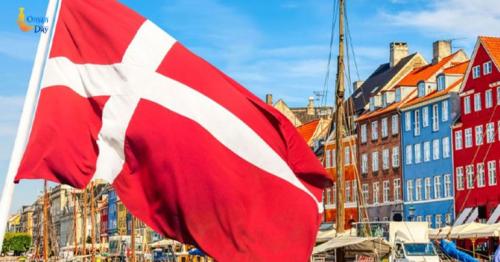
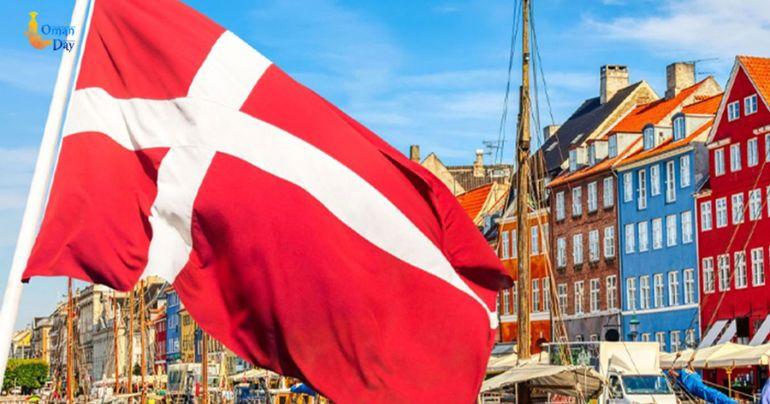
Statistics Denmark released new economic data in Copenhagen today. Denmark recorded its highest annual inflation rate in a full year. Consumer prices rose by 2.2 percent this September. This figure compares to a flat 2 percent last August. Energy prices primarily drove this upward economic trend. This September marks the highest inflation point since September 2025.
Analyzing the Harmonized European Data
Financial experts also look closely at broader regional metrics. The Harmonized European Consumer Price Index showed a similar trend. This specific rate rose to 2.1 percent during September. It previously sat at exactly 2 percent in the preceding month. Rising utility bills directly impact the daily lives of Danish citizens. The government monitors these shifting consumer costs very carefully.
Understanding Core Inflation Trends
However, the economic picture looks slightly different beneath the surface. Core inflation actually fell to 1.9 percent in September. This core metric completely excludes energy and unprocessed food prices. The core rate previously reached 2.2 percent in August. This drop shows that non-energy sectors remain somewhat stable right now. Energy volatility causes the vast majority of current market fluctuations.
Transportation Costs Suffer Massive Spikes
The transportation sector experienced the most significant financial impact recently. Transportation costs jumped by a massive 7.7 percent overall. Higher fuel and energy prices drove this specific sectoral increase. Commuters and logistics companies pay much more to operate today. Economists expect these elevated energy prices to persist through the winter.
Catch more vital updates on European markets and global finance by visiting the Oman Day homepage.
tag: denmark-inflation , european-economy , energy-prices , consumer-prices , oman-day-business
Share This Post