Inside The UAE Plan To Connect 11 Cities By Rail
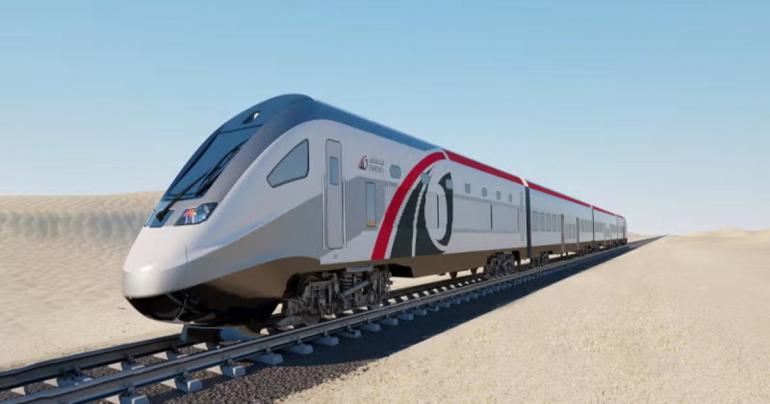
Dubai's Etihad Rail station is nearing readiness, but it represents just one piece of a much larger vision. The UAE is building a national rail network expected to reshape how people move across the country.
A Network Built To Span The Entire Country
Spanning roughly 900 km, the Etihad Rail passenger system will eventually connect 11 cities and regions. The route stretches from Al Sila in the Western Region all the way to Fujairah on the east coast. Major hubs along the way include Abu Dhabi, Dubai, Sharjah, Al Dhaid, Ruwais, and Al Mirfa.
This is not a single line opening all at once. The network is rolling out in carefully planned phases across several years.
How The Rollout Is Unfolding
An introductory phase began on June 30, 2026, connecting Abu Dhabi's Mohammed bin Zayed City station with Fujairah. Dubai's station and Sharjah's Al Dhaid station follow on September 30, 2026. That date also marks the official launch of the full national passenger network.
Stations in Abu Dhabi's Al Dhafra region open next, on December 30, 2026. The initial route reaches completion once Sharjah Train Station opens on March 30, 2027. Each phase adds new connections and expands where passengers can travel by rail.
Why This Project Matters Nationally
The Etihad Rail passenger project sits within the UAE National Railway Programme. That programme launched in 2021 as one of the country's Fifty Projects. It plays a central role in the nation's 2030 transport vision.
Officials designed the network to improve mobility across the UAE. It also aims to reduce road congestion between major cities. Low emission public transport forms another core goal behind the project's design.
The Numbers Behind The Growth
Passenger numbers are expected to reach around 10 million annually during the network's early phase. Longer term projections show that figure rising substantially as more stations open. More routes naturally bring more riders, and planners expect steady growth for years to come.
Trains on standard routes reach speeds up to 200 km/h. A separate high speed project will eventually connect Abu Dhabi and Dubai at speeds up to 350 km/h. That faster line is expected to become operational by 2030, cutting travel time to around 30 minutes.
What Might Come Next
Dubai Airports leadership has strongly hinted that Al Maktoum International Airport will eventually receive its own Etihad Rail station. This would tie directly into the airport's long term expansion plans. No official date has been confirmed yet for that addition.
As more stations open through 2027 and beyond, the network's reach across the UAE will keep growing. What started as separate city projects is steadily becoming one connected national system.
tag: uae-low-emission-transport , etihad-rail-11-cities , etihad-rail-ridership-growth
Share This Post