Russian Scientists Invent Revolutionary Biomaterial for Severe Skin Injuries
Pushing Medical Boundaries
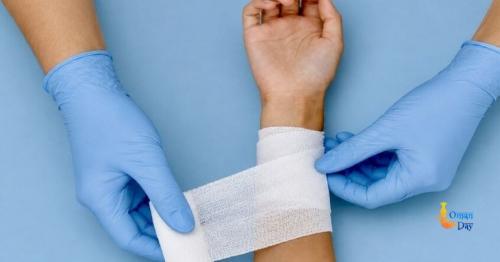
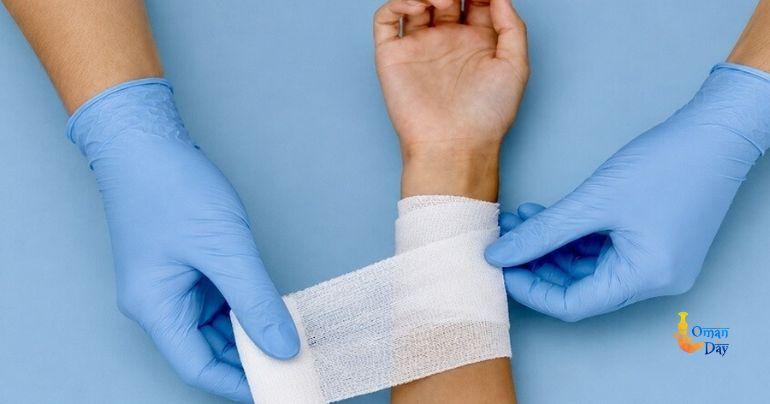
Russian researchers achieved a massive medical breakthrough in tissue regeneration. They developed a powerful new biomaterial to heal severe skin damage. A brilliant research team operates out of St. Petersburg today. They work at the highly prestigious Center for Nanophysics. The scientists invented an advanced medical membrane to treat wounds. This material heals skin tissue destroyed by aggressive microbial infections. Fungal infections often cause massive tissue death in vulnerable patients. The team manufactures this innovative product using a polyvinyl compound. They reinforce the base material with copper organometallic nanocrystals directly. This chemical combination gives the membrane incredible bacteria-fighting power.
Accelerating Natural Healing
The material destroys dangerous fungi and common pathogens almost instantly. It accelerates the natural healing process of the outer skin surface. Laboratory tests prove the material works perfectly with human biology. The membrane adapts to complex skin structures with incredible flexibility. Researchers observed absolutely zero negative side effects during clinical trials. This breakthrough makes traditional cloth bandages look completely obsolete today. The new membrane prevents secondary infections in severe burn victims. The medical industry desperately needs these advanced wound care solutions. The team wants to launch commercial production lines very soon.
Saving Critical Patients
Hospitals globally will buy this technology to save critical patients. Modern nanotechnology pushes the boundaries of human medicine forward rapidly. We track these incredible scientific advancements to keep you informed. Science constantly finds brilliant new ways to protect human life. Innovation provides the only true path forward for the species.
Explore more massive tech and medical news at Oman Day.
tag: medical-breakthrough , russian-science , biomaterial , skin-treatment , nanotechnology
Share This Post