
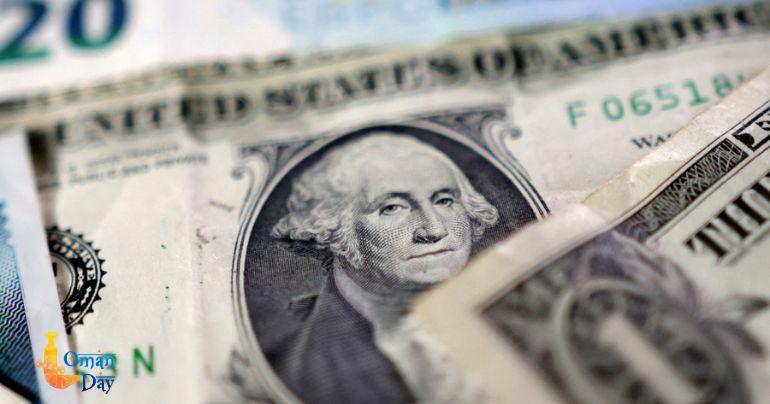
The US Dollar Falls Near Its Lowest Levels in Months Due to Declining Treasury Yields
Currency Markets React to Treasury Fluctuations
The US dollar fell near its lowest levels in several months today. The currency declined against a basket of major international currencies during recent trading. This shift occurred as US Treasury yields retreated from their recent highs. Investors cautiously await the release of minutes from the latest US Federal Reserve meeting. They seek vital clues regarding the future path of international interest rates. The euro rose slightly to $1.1577, remaining close to a two-month high. Currency traders monitor these subtle shifts to adjust their portfolios.
Tracking Major International Currency Movements
The pound sterling held completely steady at $1.3533 during early trading sessions. The British currency kept close to a three-month high today. Traders await the release of UK inflation data later today before adjusting positions. The Japanese yen stabilized at 159.56 against the dollar following intervention by authorities. The yen remains far from its lowest level in several decades, however. The dollar index fell slightly to 99.65 amid a week lacking significant economic data. The global market generally experiences calmer periods between major announcements.
Awaiting Crucial Decisions on Monetary Policy
The sell-off in US Treasury bonds came to a temporary halt recently. The yield on benchmark 10-year Treasury bonds fell to 4.702 percent today. The yield on longer-term 30-year bonds dropped to 5.282 percent concurrently. Markets are currently focused intently on the upcoming Federal Open Market Committee minutes. The FOMC is responsible for setting crucial monetary policy at the Federal Reserve. The global financial community demands clear signals to plan their future investments. Analysts will scrutinize the language used in the upcoming report.
The Impact of Currency Shifts on Global Trade
A weaker US dollar generally makes American exports more competitive internationally. Conversely, it increases the cost of imported goods for American consumers. Many global commodities, such as oil and gold, are priced in dollars. Therefore, fluctuations in the dollar's value directly impact the prices of these resources. Developing nations with dollar-denominated debt also watch these trends closely. A weaker dollar can ease the financial burden of servicing those international loans. Understanding currency dynamics is essential for navigating the modern global economy.
Understand the continuous fluctuations within international currency markets and economic indicators. Find excellent financial news coverage like this at Oman Day.
tag: us-dollar , currency-markets , global-finance , us-treasury , economic-news
Share This Post