The Ottoman Coffeehouse: A Platform For Literature And Storytelling
More Than Just A Beverage
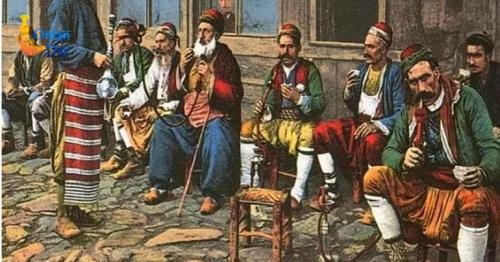
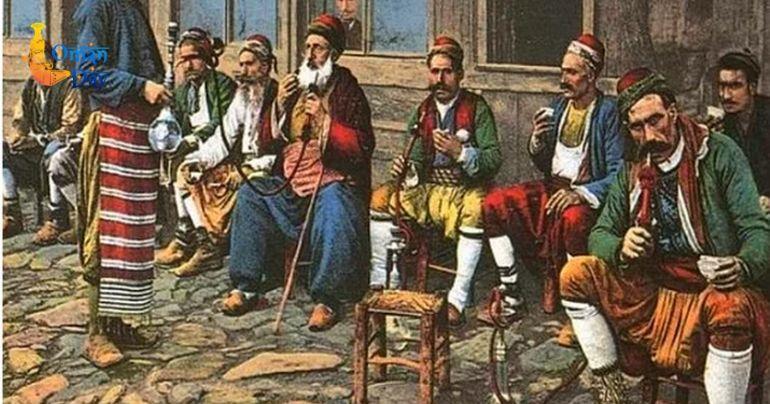
In the Ottoman Empire, the coffeehouse was more than just a place to drink. Over time, it became a vital social and cultural space in Ottoman cities. Since their spread in the 16th century, they transformed daily life significantly. People from different classes and professions met there to exchange news and stories. They listened to poetry and tales and watched engaging folk performances. Professor Muhammad Ihsanoglu spoke to the Oman News Agency regarding this history. He explained the emergence of the coffee shop was an important social transformation. It provided a place outside the home or mosque to gather for long periods.
The Rise Of The Storyteller
Visitors did not enter the cafe just to drink coffee quickly. They sat to play chess, listen to poets, or watch popular theater. One of the most prominent figures associated with Ottoman cafes was the storyteller. He attracted the audience with long stories, changing tones, and theatrical movements. The topics ranged from stories of heroism and adventure to love and travel. A new kind of social life emerged within the city walls. Before modern media, news traveled through the coffeehouses rapidly. They became a space where official news intersected with popular rumors.
A Link Between Written And Oral Culture
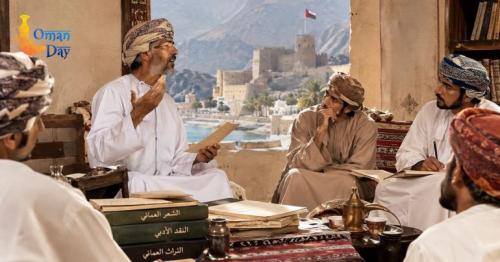
Poetry was also a massive part of cultural life in some cafes. A poet could recite his poem and spark dialogues about literature and life. Forms of popular and lyrical poetry spread easily among the general public. The coffeehouse became a vital link between written and oral culture. Delve into the fascinating historical traditions that shaped the modern Middle East. Read more engaging cultural history at Oman Day.
tag: ottoman-empire , history , coffeehouses , cultural-heritage , middle-east-history
Share This Post