
The US Dollar Tracks Toward Weekly Gains Following Strong Economic Data
Expectations of further Federal Reserve interest rate hikes continue to support the currency.
The US dollar is officially on track to achieve significant weekly gains today. The currency remains heavily supported by rising US Treasury bond yields. Investors also anticipate that the Federal Reserve will raise interest rates again soon. The dollar is currently hovering near its highest trading levels in several months.
This overarching strength immediately pushed the euro down to a two-month low. The European currency dropped to $1.1370, heading for its third consecutive weekly decline. The British pound also suffered, remaining near a three-month low of $1.3220. The benchmark dollar index rose more than one percent overall this week.
Markets adjusted their expectations after the US Federal Reserve tightened monetary policy.
The central bank signaled its firm intention to keep fighting inflation aggressively. Strong domestic economic data also supported the case for a stronger American currency. Furthermore, growing concerns about global energy supplies drove investors toward the safe-haven dollar. In Asian currency markets, the Japanese yen remained under intense pressure.
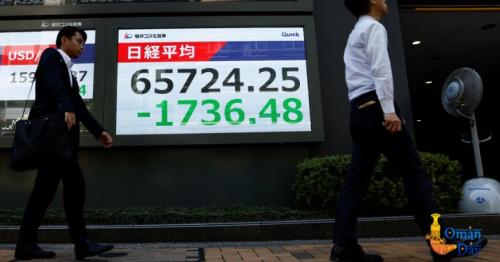
The yen sat near its lowest level in three weeks at 158.8 against the dollar. Traders remain extremely cautious about the possibility of Japanese authorities intervening to support it. The Australian dollar managed to rise slightly during the session to $0.7015.
Meanwhile, the New Zealand dollar held relatively steady at $0.5663.
The offshore Chinese yuan also remained essentially unchanged at 6.715 against the dollar. Currency fluctuations impact the cost of imports and exports for nations worldwide. A strong dollar makes American goods more expensive for foreign buyers to purchase.
Keep track of the currency movements affecting international business and travel. Check the latest financial updates on Oman Day.
tag: us-dollar , federal-reserve , interest-rates , currency-markets , global-economy
Share This Post