
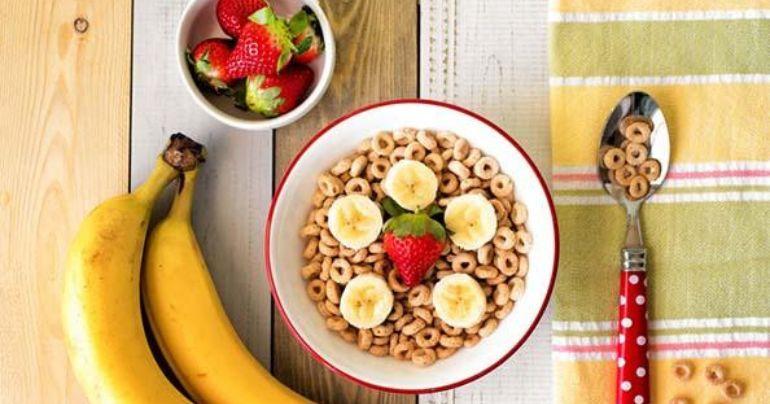
Study Exposes The Truth Behind Your Favorite Cereal
Millions of people pour a bowl of cereal every morning without a second thought. A new study says that habit deserves a closer look.
Researchers examined more than 600 breakfast cereals sold in the US. The results challenge everything the boxes promise on their front labels.
What did the new cereal study find?
The study found that most popular cereals carry heavy sugar and few nutrients. Many also skimp on fiber and protein before milk gets added.
Additives fill the gaps left by real nutrition. That combination makes many cereals closer to dessert than a balanced breakfast.
Portion size adds another twist. The 120 to 150 calorie count on most boxes assumes a tiny serving. Real bowls often reach 300 calories or more.
Do health claims on cereal boxes actually mean anything?
Not as much as shoppers assume. Labels like heart healthy, high in vitamins, or all natural sound reassuring on the shelf.
Researchers found little connection between these claims and actual nutrition. A box can say all natural and still deliver mostly sugar and refined grain.
Interestingly, much of a bowl's real nutritional value comes from milk, not the cereal itself. The cereal often plays a smaller role than shoppers expect.
How do the top selling cereals actually stack up?
Seven cereals dominate US sales. Together they show a clear pattern once nutrition gets examined closely.
- Cheerios keeps things simple with whole grain oats, though sugar content still varies by variety.
- Frosted Flakes leans heavily on added sugar with minimal fiber per serving.
- Honey Nut Cheerios trades some of the plain version's simplicity for extra sweetness.
- Honey Bunches of Oats blends whole grains with a noticeable sugar boost.
- Cinnamon Toast Crunch ranks among the sweeter, more processed options on shelves.
- Froot Loops relies on sugar and color rather than meaningful nutrition.
- Lucky Charms mixes marshmallow pieces with grain, pushing sugar content higher still.
Most of these cereals highlight one strong feature, like added fiber or vitamins. That spotlight often distracts from high sugar or heavy processing elsewhere on the label.
Are cereals for kids getting healthier over time?
The opposite appears true, based on recent research. A study published in May 2025 tracked 1,200 cereals marketed to children between 2010 and 2023.
Fat, sodium, and sugar levels rose steadily across that period. Protein and fiber levels dropped at the same time.
That trend runs against what most parents would expect from food marketed to kids. Reformulated cereals often changed for the worse, not the better.
Are any efforts underway to fix children's cereal?
Yes, changes are already in motion. Updated USDA guidelines for school breakfast programs target added sugar and salt this year.
The same guidelines aim to gradually increase whole grain content in school cereals. Progress will likely take time, since large food companies adjust slowly.
Parents shopping outside school programs still need to evaluate cereal boxes on their own for now.
Quick answers for common questions
Q: Is cereal actually a healthy breakfast?
Many popular cereals are not. Most rely on added sugar and refined grain rather than fiber or protein.
Q: Do cereal health claims reflect real nutrition?
Not reliably. Studies show little link between front label claims and actual nutritional value.
Q: Are children's cereals getting healthier?
No. Research shows sugar, fat, and sodium have increased in kids' cereals since 2010, while fiber and protein have dropped.
Share This Post