
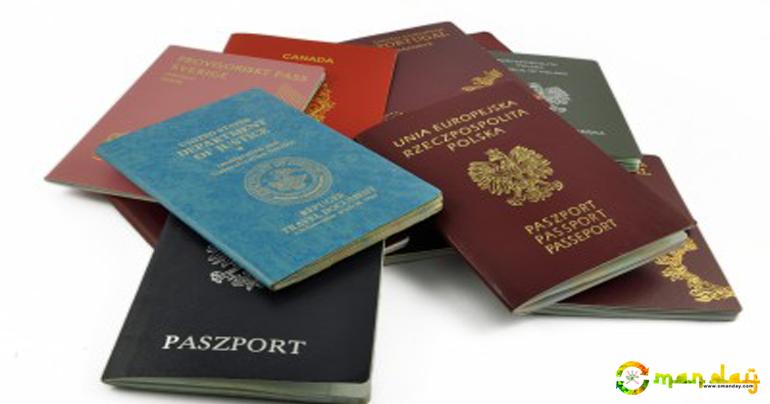
Keep Your Passports: Reminder to Foreign Workers in Qatar, UAE, Oman, Saudi Arabia, Bahrain, Kuwait
Expats have been reminded to keep their passports instead of handing them over to their employers or placement agencies. Passports are not the property of a holder but by the government so passport holders can also be called caretakers of such travel and identity documents.
Therefore, keeping these passports under our care is paramount. That also means it must not be kept by others — employers, loan companies and the like — for whatever reason.
In the Middle East, many Expats are not free to keep their passports despite the laws that prohibit others, notably employers, from keeping them. Some employers seem to hold their workers hostage by keeping their passports in the guise of safekeeping.
In reality, while not strongly enforced or loosely defined, there are guidelines that implicitly bar employers from keeping worker's passport:
BAHRAIN
“No person shall be arrested, detained, imprisoned, searched or compelled to reside in a specified place, nor shall the residence of any person or his liberty to choose his place of residence or his liberty of movement be restricted, except in accordance with the law and under the supervision of the judicial authorities.”
– Constitution of Bahrain Article 19 Section b
KUWAIT
“Companies in Kuwait will no longer be allowed to withhold employees’ passports under new labour laws being written, according to Arabic daily Al Shahed. A draft resolution is expected to be submitted to the Minister of Social Affairs and Labor and Minister of Planning and Development Hind Al- Subaih before the end of this month, the daily said, quoting ministry sources.”
“It [new law on domestic helpers] prohibits employers from confiscating workers’ passports, a common abuse, but fails to specify penalties.”
OMAN
“It is illegal to keep the passport of the employee as it is a personal document and legally, the property of the government issuing it. In Oman, normally a passport is handed over by the expat only to get a residence visa stamped on it and as per the rules, it should be returned after the stamping.”
– Moath Al Ghilani, an Omani lawyer
...[ Continue to next page ]
tag: blog , information
Share This Post