Saudis Alarm Their Friends More Than Foes In Mideast Power Plays
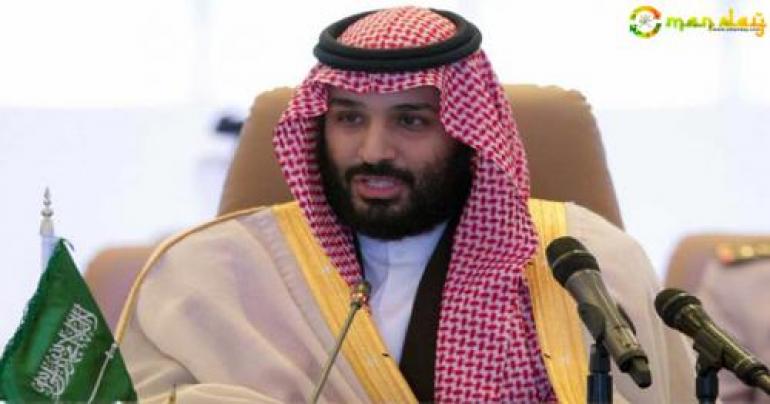
Trending on Saudi social media last week was a clip of Crown Prince Mohammed Bin Salman promising to go on the offensive against his country's biggest rival and take the fight "inside Iran."
The eight-month-old TV interview had taken on a new significance: Violent protests were spreading across Iran. It's not clear whether Saudi Arabia helped stir them up, as the Islamic Republic's leaders claimed. What is clear is that the de facto Saudi ruler has made several regional moves against Iran -- and has yet to score a win.
If the prince's enemies aren't sweating it much, his allies are showing signs of alarm. From the Arab Sunni world, the natural sphere of Saudi influence, to the U.S. and Europe, diplomats have dissociated themselves from the kingdom's ventures or come out against them.
That made 2017 a mixed year for the leader known as MBS. At home, he shunted rivals aside, cementing an unprecedented rapid rise to power. But in Yemen, Qatar and Lebanon, regional countries where the Saudis seek leadership and perceive a challenge from Iran, his initiatives have foundered.
"MBS approaches domestic and regional politics in a similar, bold fashion," said Hani Sabra, founder of New York-based Alef Advisory. "Domestically, this has worked well for him. He's outmaneuvered many influential relatives." Abroad, the approach "is creating and intensifying risks," he said.
Ragtag Enemy
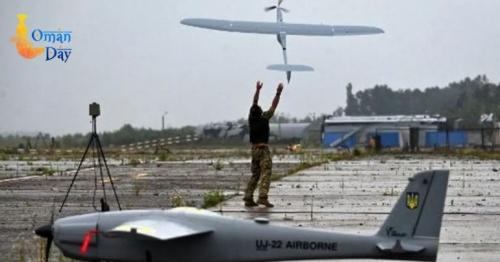
The risk from the war in Yemen has been brought home to Saudi cities. The Houthi rebels, said by the Saudis to have Iranian backing, have fired two missiles at Riyadh since November. While causing little damage, they served as a reminder that after almost three years of bombardment, the enemy -- mostly ragtag fighters wearing sandals and carrying AK-47s -- hasn't been subdued.
The Saudis haven't found it easy to draft their allies into that fight. Egypt, for example, heavily dependent on Saudi cash, showed little enthusiasm for sending its soldiers to Yemen -- or for Prince Mohammed's wider plan to combat Iran.
In Lebanon, the prince's intervention was political, not military. The unexpected resignation of Prime Minister Saad Hariri during a visit to Riyadh in November was seen as a Saudi bid to weaken Iran's Lebanese ally, Hezbollah. Hariri, a Saudi client, had been governing in coalition with the Shiite militia; now he denounced it as a mortal threat.
The power-play backfired. Hariri ended up returning to his job, and even Lebanese Sunnis were critical of strong-arm Saudi tactics. Allies in Europe and the U.S. weren't happy either. French President Emmanuel Macron intervened directly on Hariri's behalf. Secretary of State Rex Tillerson, in an unusual rebuke, said Saudi Arabia should "think through the consequences" of its actions.
Tillerson cited Yemen, Lebanon -- and Qatar, the target of a Saudi-led economic embargo since June. The measure was intended to punish the Gulf monarchy for offenses including its cordial ties with Iran.
Those relations have only deepened under the boycott. Qatar is threatening legal action to seek damages from the Saudis. Meanwhile Kuwait and Oman, fellow members of the club of Gulf monarchies, have expressed unease at the assertive new style of Saudi leadership. And Turkey, a powerful Sunni country once close to the Saudis, has taken Qatar's side, using the dispute as a chance to forge closer military and commercial ties.
'Mideast's Hitler'
...[ Continue to next page ]
tag: blog , information
Share This Post