Saudi Oil Output Falls After Attacks on Energy Infrastructure
Saudi Arabia reported several attacks on its vital energy network today. These strikes damaged key infrastructure across multiple regions of the kingdom.
Impact on Production and Personnel
One Saudi national died during these recent attacks. Seven other people suffered various injuries at the industrial sites.
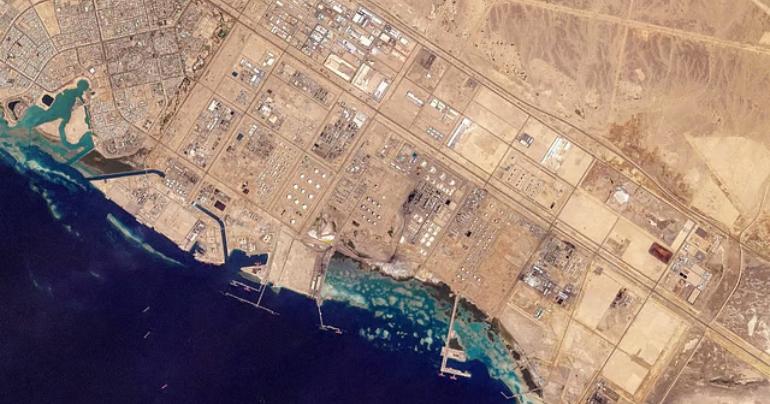
The strikes hit oil production, transport, and refining facilities. Attacks also damaged power plants and petrochemical facilities in Riyadh and Yanbu.
Pipeline Damage Tightens Supply
A major strike hit a pumping station along the East-West pipeline. This specific attack reduced daily oil flow by 700,000 barrels.
Saudi Arabia uses this route to move crude oil to the Red Sea. Damage here limits the kingdom's ability to maintain high export levels.
Production Capacity Takes a Hit
The attacks also affected the Manifa and Khurais oil fields. These fields lost roughly 600,000 barrels in daily production capacity.
This loss represents nearly ten percent of pre-war Saudi exports. Targeted refineries in Jubail and Ras Tanura also faced operational disruptions.
These disruptions directly impact the flow of refined products to global markets.
Global Markets and Inflation Risks
Oil prices surged toward $98 a barrel following these reports. Traders worry that regional tensions will break the fragile ceasefire.
Higher energy costs now create new inflation risks for many countries. This supply shock could soon increase fuel prices for everyday consumers.
Experts believe the pace of repairs will determine how long these pressures last.
tag: saudi-oil , energy-market , oil-price-hike , saudi-infrastructure , global-inflation , oman-day-business
Share This Post