
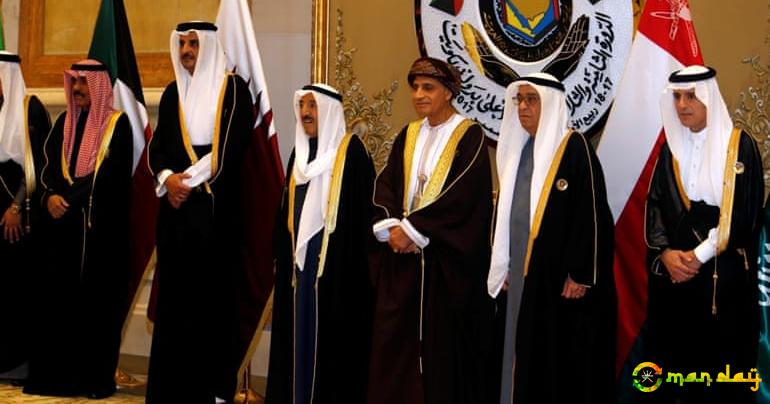
GCC structure may have to change: Kuwait’s Sheikh Sabah
The structure of the six-member Gulf Cooperation Council (GCC) might have to change in the near future to face upcoming challenges, the emir of Kuwait has said.
Sheikh Sabah al-Ahmad Al Sabah made the remarks as a summit of the GCC in Kuwait City concluded abruptly on Tuesday instead of Wednesday, with all the delegates leaving Kuwait after a closed session.
"We might change the system of the GCC to have mechanisms to better face challenges," Sheikh Sabah said, referring to the GCC crisis that began on June 5.
On that day, Saudi Arabia, Bahrain and the UAE - all GCC members - cut ties with Qatar after accusing it of supporting "terrorism", allegations that Qatar strongly denies.
Sheikh Sabah also hinted at the possibility of setting up a task force to deal with future rifts within the GCC.
'Major progress'
The meeting in Kuwait City - the 38th annual GCC summit - took place exactly six months after the announcement of the siege of Qatar.
Earlier on Tuesday, the UAE announced that it had formed a new economic and military partnership with Saudi Arabia separate from the GCC.
That announcement, combined with the absence of high-level officials from the blockading countries, was loaded with significance, our correspondent said.
Qatar's emir Sheikh Tamim bin Hamad Al Thani was one of the few to send a royal family member to the Kuwait summit.
"I am full of hope that the summit will lead to results that will maintain the security of the Gulf and its stability," Sheikh Tamim said.
Oman had announced that a high-ranking official would represent Sultan Qaboos bin Said Al Said, while al-Jubeir led the Saudi delegation.
'Effectively dead'
The agenda of the Kuwait summit had not been made public, but the Gulf crisis was believed to be a top priority.
"It seems that there is an intention by the Saudis and Emiratis, especially with the timing of the announcement [of the new partnership] today, to say that the GCC is effectively dead," said Majed al-Ansari from Qatar University.
"It is clear now that Emiratis and Saudis have no intention of supporting stability in the GCC, no intention of supporting Kuwait's mediation efforts, and no intention to end the crisis one way or another."
The talks could have defined the very future of the bloc that was established in 1981 for closer economic, trade and security partnerships on the Arabian Peninsula.
In October, Sheikh Sabah, who has been mediating between Qatar and the Saudi-led bloc, warned of the potential collapse of the GCC if the crisis continued.
tag: blog , information
Share This Post