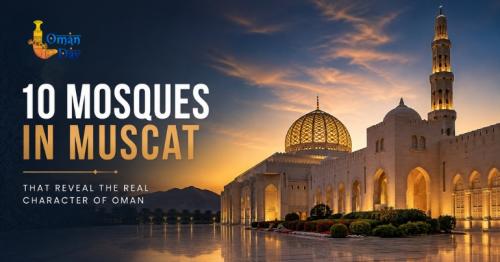
10 Mosques in Muscat That Reveal the Real Character of Oman
Why Mosque Architecture in Oman is Unique

Omani mosque architecture stands out sharply from other Middle Eastern countries. Neighboring nations often build towering, ultra-modern glass and steel structures. Oman chooses a much more grounded and historically respectful design path.
The government actively regulates building heights and exterior paint colors nationwide. This strict regulation preserves the authentic visual identity of the entire Sultanate. Mosques in Oman usually feature flat roofs and modest, understated minarets.
Many older Ibadi mosques lack minarets completely to maintain strict architectural humility. Builders historically used local materials like mud brick, palm fronds, and limestone. Modern architects still incorporate these earthy, natural colors into their new designs.
They want buildings to look like a natural extension of the desert. You will notice a distinct lack of flashy, extravagant exterior decorations. Omanis believe the true beauty of a mosque belongs on the inside.
The exterior should project absolute modesty, humility, and equality before God. The interior then surprises visitors with intricate carpets and stunning calligraphy. This design philosophy teaches visitors a valuable lesson about Omani culture.
True wealth and beauty live quietly beneath the surface.
...[ Continue to next page ]
tag: muscat-mosques , oman-travel , sultan-qaboos-grand-mosque , oman-culture , middle-east-travel , islamic-architecture , oman-day
Share This Post